
May 4, 2026 • 7 min read
The AI Customer Experience Race Is Becoming a Data War

Director of Content & Market Research
May 4, 2026
Why Memory, Not Models, May Decide the Next $400 Billion Shift
By one estimate from Sierra co-founder Bret Taylor, roughly $400 billion is spent globally on customer service every year. Increasingly, that spend is moving toward AI. Every contact center vendor, every software giant, and every well-funded startup is racing to build the agent that will handle the world's customer interactions.
Much of the industry's attention has focused on models. Which AI is smarter? Which company has the best agent? Which demo looks the most impressive?
Those questions matter, but they may ultimately prove secondary.
The real competition is moving one layer deeper.
As foundation models become increasingly available to everyone, intelligence itself is becoming abundant. Competitive advantage is shifting toward something much harder to acquire: memory.
Not memory in the human sense, but the accumulated record of how customer relationships unfold, how problems get solved, and what outcomes actually work. In many ways, the AI customer experience race is becoming a contest over who owns the deepest institutional memory.
And that is a very different competition.
Models Are Becoming Commodities
For most of the software era, technology itself was the moat. Companies competed through proprietary infrastructure, features, and engineering.
AI is changing that equation.
Today, virtually every software company has access to world-class foundation models from OpenAI, Anthropic, Google, Meta, and others. The underlying intelligence continues to improve, but those improvements are increasingly shared across the ecosystem. The model itself is becoming infrastructure.
That does not mean models are unimportant. But infrastructure rarely determines long-term winners. Databases became commodities. Cloud infrastructure became commodities. Eventually, AI models will follow a similar path.
As intelligence becomes easier to rent, competitive advantage moves to what sits above the model.
In customer experience, that advantage increasingly comes from data.
But even that statement is incomplete.
Because not all data is equally valuable.
Customer Service Has Never Been A Knowledge Problem
Much of the first wave of AI agents focused on knowledge bases and documentation. The assumption was straightforward: if the information existed, AI could automate the experience.
But customer service has never been primarily about information.
It has always been about resolution.
Customers rarely behave according to documentation. Policies collide with edge cases. Emotions enter the conversation. Experienced agents improvise. Exceptions are made. Problems are solved in ways that rarely appear inside manuals.
Somewhere inside billions of conversations sits an enormous reservoir of tacit knowledge. It exists in the decisions agents made, the language that preserved relationships, the actions that improved retention, and the countless exceptions that led to successful outcomes.
Those experiences cannot simply be recreated.
They must be accumulated.
And that means not all data carries equal strategic value.
The Five Layers of AI Advantage
The term "data" is often discussed as though it represents a single asset. In reality, customer experience data exists in layers, and each layer creates a different level of competitive advantage.
| Layer | Type Of Data | Example | Strategic Value |
|---|---|---|---|
| 1 | Models | GPT, Claude, Gemini | Commodity |
| 2 | Knowledge Data | FAQs, documentation, policies | Low |
| 3 | Interaction Data | Calls, chats, emails | Medium |
| 4 | Resolution Data | How problems were solved | High |
| 5 | Relationship Memory | Complete customer history and context | Very High |
Layer 1: Models
Foundation models have accelerated the entire industry, but they are becoming increasingly accessible to everyone. GPT, Claude, Gemini, and Llama have raised the floor for what AI can do, but no single company owns intelligence itself.
Models remain essential infrastructure, but infrastructure rarely creates durable moats.
Layer 2: Knowledge Data
Knowledge bases, support articles, manuals, and policy documents provide context for AI systems, but they largely describe how companies believe they operate.
They are important, but relatively easy to reproduce.
Knowledge assets provide grounding.
They do not create enduring advantages.
Layer 3: Interaction Data
Calls, chats, emails, and digital conversations reveal reality.
They expose customer intent, sentiment, friction, and behavior. Unlike static documentation, interactions continuously evolve and compound.
Companies with billions of interactions possess a significant advantage.
But conversations alone are not enough.
Layer 4: Resolution Data
This is where competitive advantage becomes much harder to replicate.
Resolution data captures not just the conversation itself, but the outcome. It reveals how problems were solved, which actions preserved relationships, and which decisions led to successful results.
AI agents do not simply need information. They need experience.
Experience lives inside outcomes.
Layer 5: Relationship Memory
The highest layer extends beyond individual interactions and into the broader customer relationship.
- Voice conversations.
- Digital messages.
- Sales engagements.
- Service history.
- Billing records.
- Previous outcomes.
- Preferences.
- Context.
Together, these assets create something much more powerful than a dataset.
They create data.
And data systems compound over time.
The New Network Effect
Traditional software companies benefited from software network effects. Agentic platforms operate differently.
Their advantage comes from learning network effects.
Every interaction generates additional data. That data improves the agent. Better agents automate more interactions, which in turn generate even more data.
Over time, intelligence compounds.
The richest datasets become richer.
And unlike software features, accumulated experience cannot be copied.
Not All Hands Are Equal
Looking solely at interaction volume misses the point.
The real question is not who possesses the most data.
It is who possesses the most strategically valuable data.
That creates three distinct categories.
| Tier | Companies | Strength | Limitation |
|---|---|---|---|
| Native Relationship Graph Owners | Nextiva, NICE | Own communications and interaction infrastructure | Scale and complexity |
| Resolution Flywheels | Intercom, Sierra | Massive outcome learning loops | Depend on customer systems |
| Distribution Giants | Zoom | Enormous communication volume | Much of the data is not CX-specific |
Tier One: Native Relationship Owners
Nextiva

Nextiva's advantage comes from owning the communications layer itself. Voice, contact center, messaging, and digital interactions all exist inside a unified platform. Billions of interactions flow through its systems annually across more than 100,000 businesses and over one million users.
Its greatest strength is completeness. Because communications originate natively inside the platform, Nextiva has the opportunity to build one of the most ultimate relationship moats in customer experience. The combination of voice, digital interactions, and customer context creates an asset that becomes increasingly difficult to replicate over time.
NICE
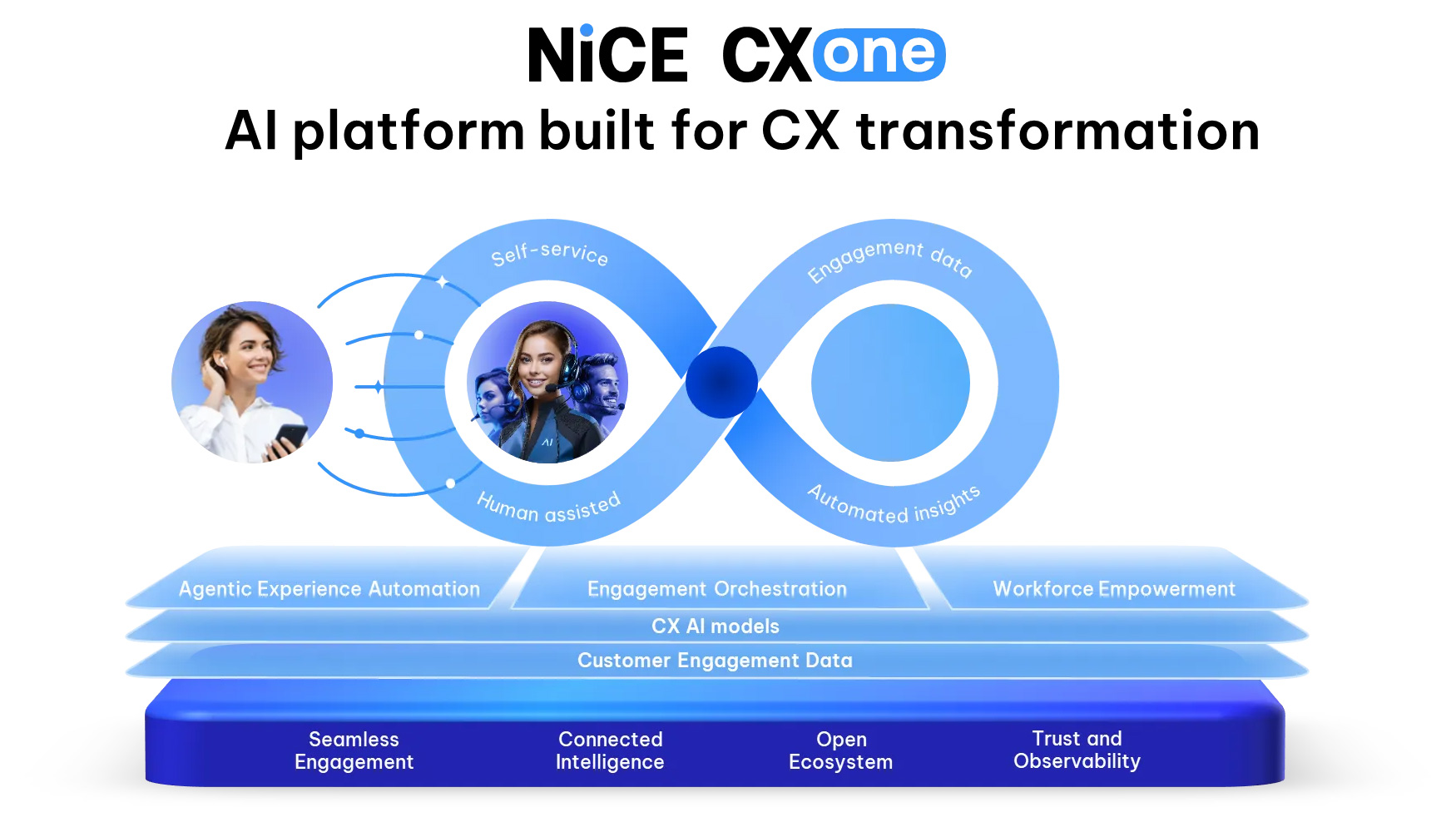
If raw scale were the only factor, NICE would likely hold the strongest hand. The company has spent decades accumulating one of the industry's largest customer experience datasets across voice and more than thirty digital channels.
Its historical depth is extraordinary.
At the same time, breadth creates complexity. Much of that scale has been assembled through acquisitions, producing an architecture that is broader than it is unified.
Nevertheless, few organizations possess more customer experience history.
Tier Two: Resolution Flywheels
Intercom (Fin)
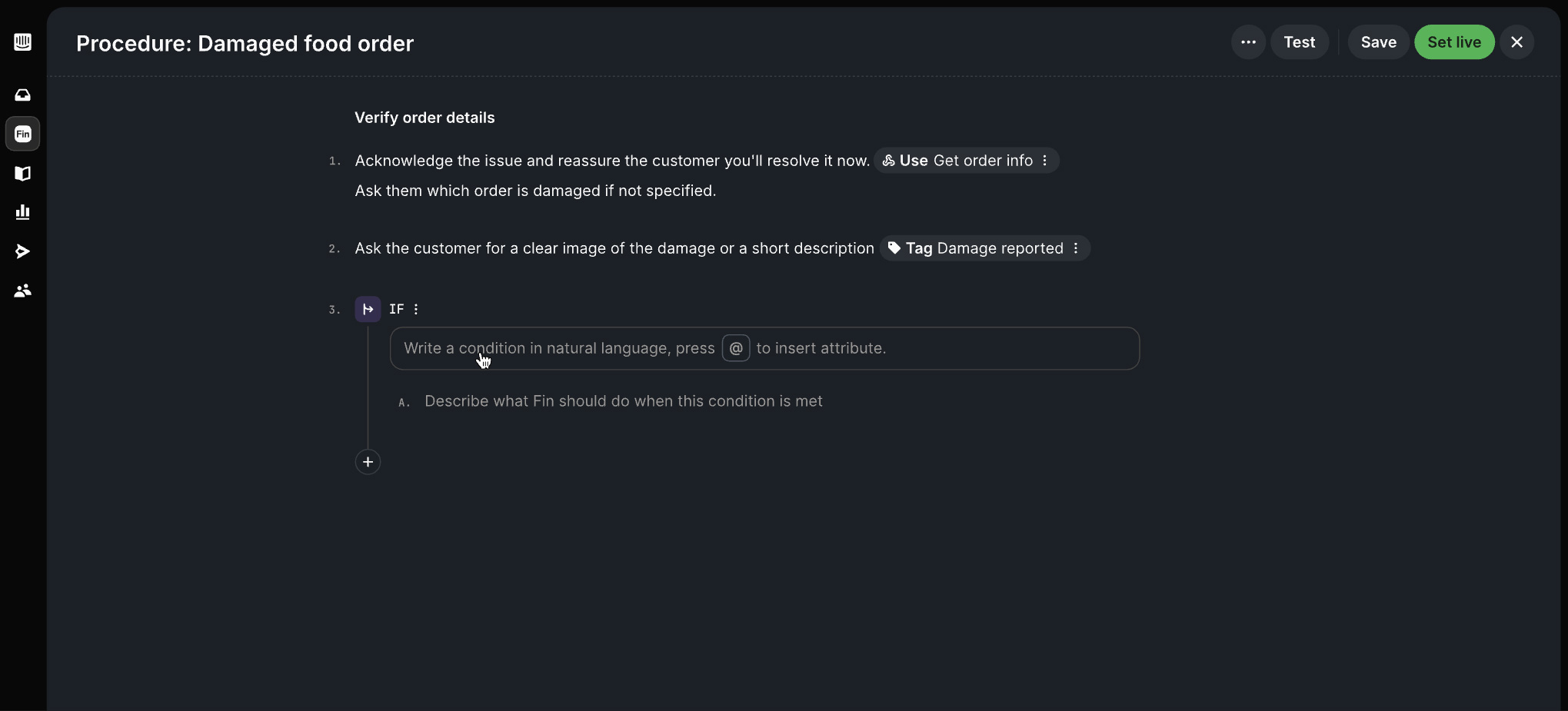
Intercom's Fin demonstrates the power of learning loops. Millions of conversations are resolved every week, continuously improving the system.
Its strength lies in outcomes rather than infrastructure.
Fin possesses tremendous resolution intelligence, even if it lacks ownership of the broader communications layer.
Sierra
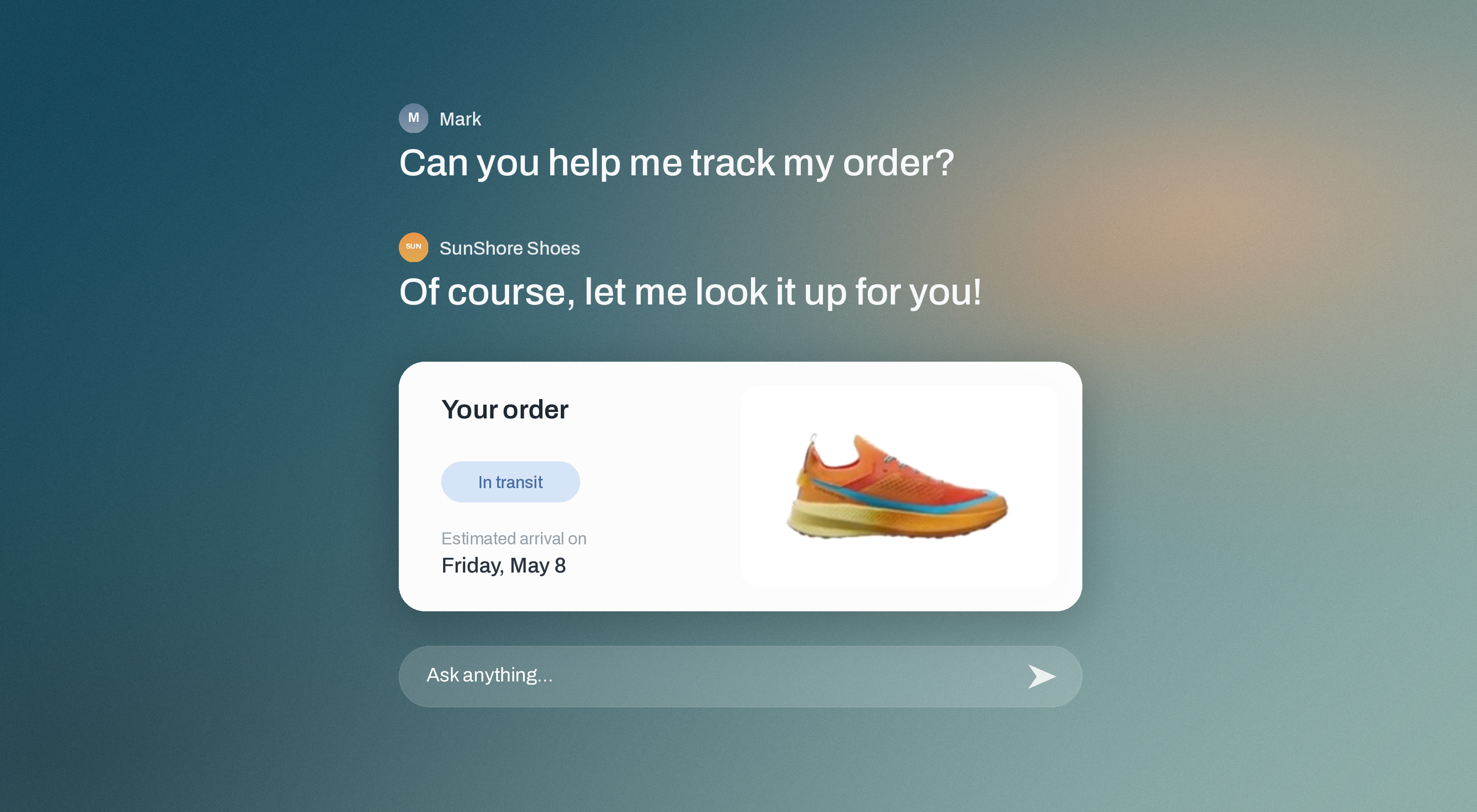
Sierra has accumulated billions of interactions at remarkable speed and has expanded beyond support into broader customer engagement.
But like Intercom, Sierra largely depends on customer-owned and third party managed systems.
Its advantage comes from velocity rather than inherited data assets.
Tier Three: Distribution Giants
Zoom
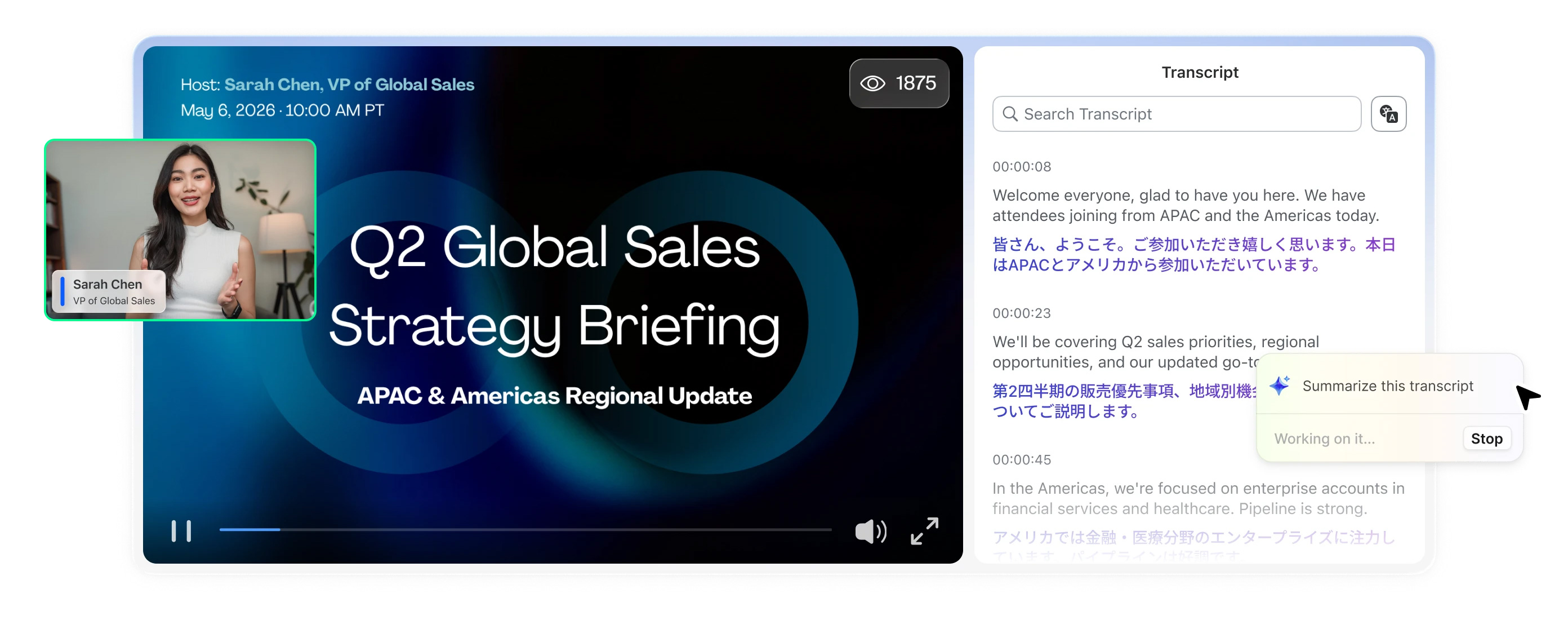
No company on this list processes more communication volume than Zoom.
But volume and relevance are different things.
Most of Zoom's data comes from internal meetings rather than customer resolutions. Its distribution is enormous, and its opportunity is significant, but whether that communication volume evolves into customer memory remains an open question.
Why Salesforce Is Missing
Some readers may wonder why Salesforce does not appear among the strongest hands.
The answer is that CRM records and interaction histories are fundamentally different assets.
Salesforce owns structured memory.
- Accounts.
- Cases.
- Opportunities.
- Transactions.
Interaction platforms own experiential memory.
- Conversations.
- Resolutions.
- Behavior.
- Context.
AI agents require both.
But as AI increasingly becomes the interface between companies and customers, experiential memory may become the more strategic asset.
The Bigger Shift
For decades, software applications sat on top of databases. Tomorrow, AI agents may sit on top of applications, turning software itself into infrastructure and elevating data and context into the primary source of competitive advantage.
When that happens, companies will no longer compete primarily as applications, but as data systems that continuously observe interactions, learn from outcomes, and compound intelligence over time. In that world, the winners of the AI customer experience race may not be the companies with the smartest models, but the companies that remember the most.
Intelligence is becoming abundant. Memory is becoming scarce. And scarcity is where enduring moats are built.